

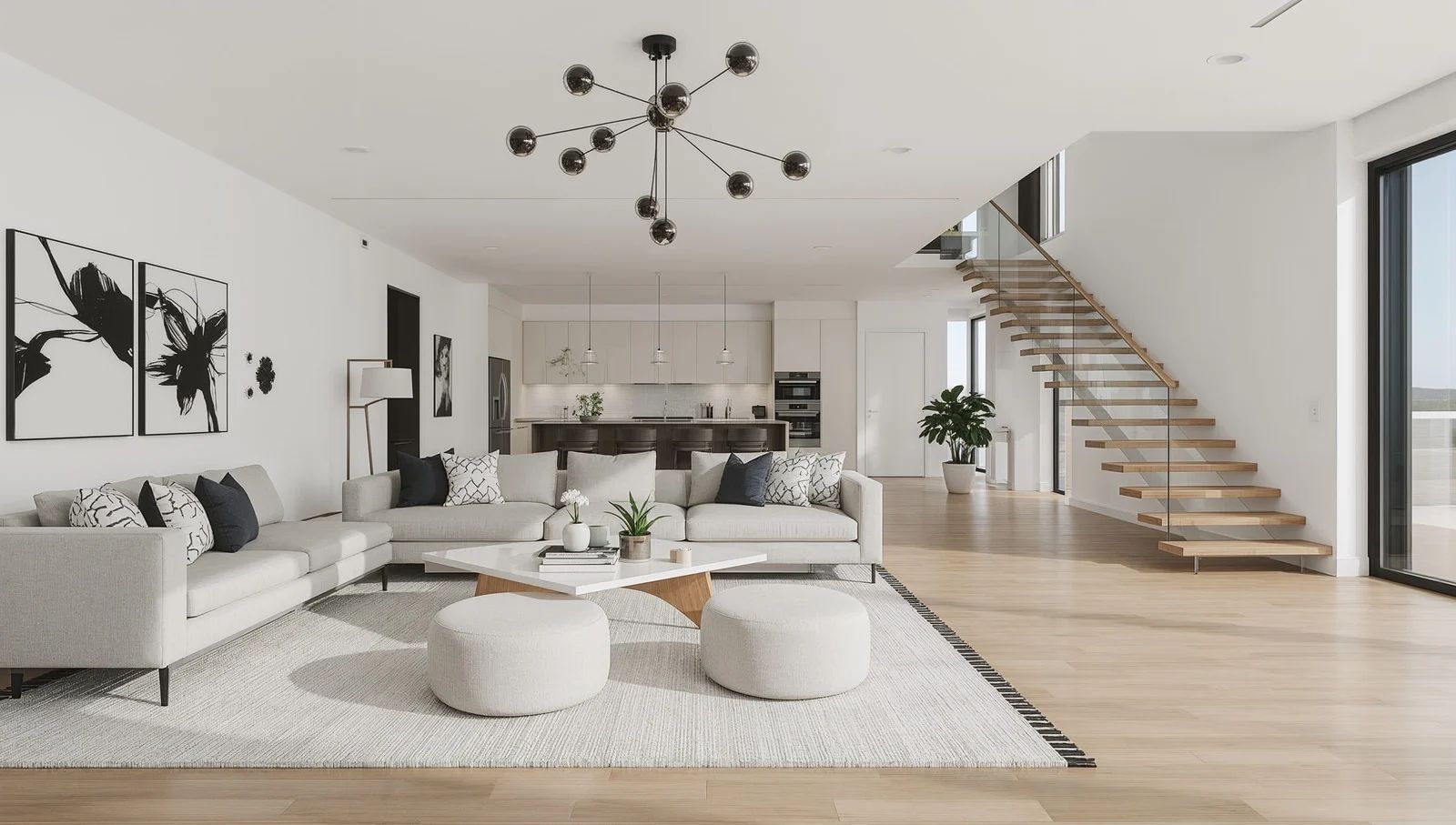

Transform Your Space: Interior Remodeling Ideas for a Modern Home

March 11, 2026

Creating a modern, functional, and aesthetically pleasing home is no longer limited to new construction. Interior remodeling has become an essential avenue for homeowners to transform outdated or inefficient spaces into stylish, comfortable, and highly personalized environments. From open-concept layouts to smart home integrations, today’s remodeling trends focus not only on visual appeal but also on enhancing usability, energy efficiency, and long-term value. A well-executed remodel can turn a simple living room, kitchen, or bathroom into a dynamic space that reflects both personality and contemporary design sensibilities.


The importance of interior remodeling extends beyond mere appearance. Homes that are thoughtfully updated improve daily living, increase market value, and optimize space usage. Whether you are looking to modernize your kitchen with sleek materials, create a multifunctional home office, or implement smart lighting systems, there is a wealth of ideas and strategies to guide your project. Understanding the latest trends, practical techniques, and expert recommendations ensures that homeowners make informed decisions, avoid costly mistakes, and achieve results that are both beautiful and functional. This guide explores actionable interior remodeling ideas for a modern home, providing inspiration and practical advice to elevate your living spaces.

1. Redefining Living Spaces: Open-Concept and Flexible Layouts

  • Embracing Open-Concept Designs

    Open-concept layouts continue to dominate modern interior design because they create a sense of spaciousness and promote natural light flow. By removing walls or reconfiguring partitions, homeowners can integrate the kitchen, dining area, and living room into a cohesive environment. This approach enhances social interaction, allows for flexible furniture placement, and makes even smaller homes feel larger.


    Example: A family living in a traditional compartmentalized home can transform their space by removing the wall between the kitchen and living room. This opens up the area, provides sightlines for supervising children, and creates a more inviting atmosphere for entertaining guests.


    Benefits:


    • Improved natural light distribution
    • Enhanced airflow and energy efficiency
    • Increased flexibility for furniture arrangement

    Challenges:


    • Structural considerations such as load-bearing walls
    • Managing heating and cooling across larger open spaces

    Best Practices:


    • Consult with a structural engineer before removing walls
    • Use consistent flooring materials to unify spaces
    • Incorporate area rugs or furniture to define functional zones
  • Multi-Functional Spaces

    Modern living demands versatility. Rooms that serve multiple purposes maximize utility without sacrificing style. A home office that doubles as a guest room or a dining area that transforms into a homework station exemplifies this trend.


    Tip: Use modular furniture, sliding doors, and retractable partitions to create spaces that adapt to changing needs.

2. Modern Kitchen Remodels: Function Meets Style

Sleek Materials and Minimalist Designs

The kitchen is often the focal point of home remodeling, reflecting both design trends and lifestyle priorities. Modern kitchens emphasize clean lines, minimalistic cabinetry, and high-quality finishes. Materials like quartz countertops, matte-finish cabinetry, and glass backsplash panels create a sophisticated, clutter-free environment.


Scenario: A homeowner replaces dated laminate countertops with a white quartz surface and installs handle-less cabinets, instantly modernizing the kitchen’s look and making cleaning easier.


Benefits:


  • Increased visual appeal
  • Easier maintenance and hygiene
  • Enhanced durability of surfaces


Expert Insight: Matte and natural finishes complement contemporary appliances and lighting, creating a cohesive modern aesthetic.

Smart Kitchen Upgrades

Technology integration elevates kitchen functionality. Touchless faucets, smart refrigerators, and energy-efficient appliances streamline daily tasks while conserving resources.


Example: Installing a smart oven connected to a mobile app allows users to monitor cooking progress remotely, reducing the risk of overcooking and improving convenience.


Best Practices:


  • Plan appliance placement according to the work triangle (sink, stove, refrigerator)
  • Incorporate energy-efficient lighting, such as under-cabinet LEDs
  • Include ample storage solutions like pull-out drawers and pantry organizers

3. Bathroom Remodeling: Spa-Like Retreats

Luxurious Fixtures and Materials

Modern bathrooms prioritize relaxation, functionality, and aesthetic balance. Upgrading fixtures and finishes can instantly transform a utilitarian space into a spa-like retreat. Popular choices include freestanding tubs, walk-in showers with frameless glass, and natural stone or porcelain tile.


Scenario: A homeowner replaces a standard tub with a freestanding soaking tub and adds a rainfall showerhead, creating a luxurious experience for daily use.


Benefits:


  • Increased comfort and personal enjoyment
  • Elevated property value
  • Enhanced energy and water efficiency with modern fixtures


Challenges:


  • Managing plumbing upgrades and ventilation
  • Budgeting for premium materials and fixtures


Expert Tip: Use neutral color palettes and clean lines to ensure longevity and compatibility with future updates.

Smart Bathroom Innovations

Smart technology can also enhance bathroom efficiency. Digital shower controls, automated lighting, and touchless toilets improve hygiene and convenience.


Example: Motion-activated faucets reduce water waste while providing hands-free operation, ideal for families with children or busy morning routines.

4. Lighting and Color: Setting the Tone

  • Maximizing Natural and Artificial Light

    Lighting is a critical element in modern remodeling, impacting mood, perception of space, and functionality. Large windows, skylights, and strategically placed mirrors amplify natural light. Meanwhile, layered artificial lighting—including recessed lights, pendants, and task lighting—ensures the home is functional at all hours.


    Scenario: In a dimly lit living room, a homeowner installs floor-to-ceiling windows and adds dimmable recessed lighting to create a bright, inviting atmosphere that can adjust to different activities.


    Benefits:


    • Enhances energy efficiency and reduces electricity costs
    • Improves aesthetics and highlights design elements
    • Supports well-being by boosting natural light exposure

    Best Practices:

    • Use warm LED lights for living areas and cooler tones for task areas
    • Include dimmers to provide adjustable ambiance
    • Layer lighting to combine general, accent, and task illumination
  • Color Palettes for Modern Homes

    Color transforms perception. Neutral shades like whites, grays, and beiges provide a clean, modern backdrop, while bold accent colors add personality without overwhelming the space.


    Example: A soft gray living room complemented by navy accent pillows and a statement rug achieves a modern aesthetic with warmth and sophistication.


    Tip: Test paint samples in different lighting conditions to ensure the desired effect throughout the day.

5. Flooring and Textures: Balance and Continuity

Choosing the Right Flooring

Flooring choices set the foundation for a modern home’s design. Hardwood, luxury vinyl planks, polished concrete, and large-format tiles are popular due to their durability, ease of maintenance, and visual appeal.


Scenario: A homeowner replaces dated carpet with wide-plank oak flooring, creating a seamless flow between rooms while adding a timeless, modern touch.


Benefits:


  • Enhances spatial perception and continuity
  • Simplifies cleaning and upkeep
  • Complements a wide range of furniture styles


Challenges:


  • Balancing aesthetics with durability and cost
  • Ensuring proper installation to prevent warping or gaps


Best Practices:


  • Use consistent flooring materials in adjoining spaces to maintain flow
  • Incorporate area rugs to define zones and add texture
  • Select flooring finishes that suit lifestyle needs, especially for high-traffic areas

Incorporating Textures and Patterns

Texture adds depth and interest to modern interiors. Combining materials like wood, stone, metal, and textiles provides tactile contrast and visual richness.


Example: A stone accent wall in a minimalist living room introduces texture without overpowering the clean lines of the design.


Tip: Mix textures thoughtfully, balancing hard surfaces with soft furnishings to create comfort and harmony.

6. Personalization and Smart Home Integration

Tailoring Spaces to Lifestyle

Modern remodeling is not only about aesthetics; it’s about creating a home that supports your daily routine and personal preferences. Custom built-ins, niche storage solutions, and flexible furniture options allow spaces to serve multiple purposes efficiently.


Scenario: A family integrates a custom bench with hidden storage in their entryway, providing seating and organization without cluttering the space.


Expert Insight: Prioritizing functionality alongside design ensures that remodeled spaces remain practical and enjoyable over the long term.

Smart Home Technology

The integration of smart systems—from lighting and climate control to security and entertainment—enhances convenience, safety, and energy efficiency.


Example: A home equipped with smart thermostats, automated lighting, and integrated security cameras allows homeowners to manage their space remotely, creating a connected, modern living environment.


Best Practices:


  • Plan wiring and connectivity during the remodeling phase to avoid retrofitting
  • Choose compatible devices for seamless automation
  • Focus on usability to ensure all family members benefit from smart features

Trusted Experts Guiding Your Modern Home Transformation

Interior remodeling offers homeowners the opportunity to modernize their living spaces, increase functionality, and create environments that align with both lifestyle needs and design preferences. From open-concept layouts and modern kitchens to spa-inspired bathrooms, layered lighting, and smart home integration, each decision contributes to a cohesive, efficient, and visually appealing home. By understanding current trends, leveraging expert advice, and considering practical applications, homeowners can avoid common pitfalls and make informed choices that enhance both comfort and value. Thoughtful remodeling balances style with functionality, ensuring spaces remain adaptable and inviting for years to come.


For over 25 years, Altitude Contracting in Bozeman, Montana, has been a trusted authority in contracting and interior remodeling. Our team of experienced professionals combines technical expertise with a deep understanding of design trends to deliver tailored solutions that reflect your vision. Whether it’s a full home renovation, kitchen remodel, or bathroom upgrade, we approach every project with precision, transparency, and a commitment to quality. Homeowners rely on us not only for craftsmanship but also for guidance through the entire remodeling process, from planning to completion. With a reputation built on trust, reliability, and excellence, Altitude Contracting ensures your modern home transformation is seamless, sophisticated, and enduring. When you choose us, you’re choosing a partner dedicated to elevating your space with professionalism and care.

Septic system components installed in an excavated pit, including tanks, risers, and pipes; outdoors.
February 5, 2026
For homeowners in rural and semi-rural areas, managing wastewater efficiently is a crucial part of property ownership. Unlike urban homes connected to municipal sewer systems, many residences rely on private septic systems to treat and dispose of household wastewater safely.

Excavation site with trenches dug in dirt, mini excavator, and red barn in the background.
January 6, 2026
Excavation is often one of the first steps in any construction project, yet its significance is frequently underestimated. While it may appear to be a straightforward process of digging and removing soil, proper excavation involves meticulous planning, precise execution,
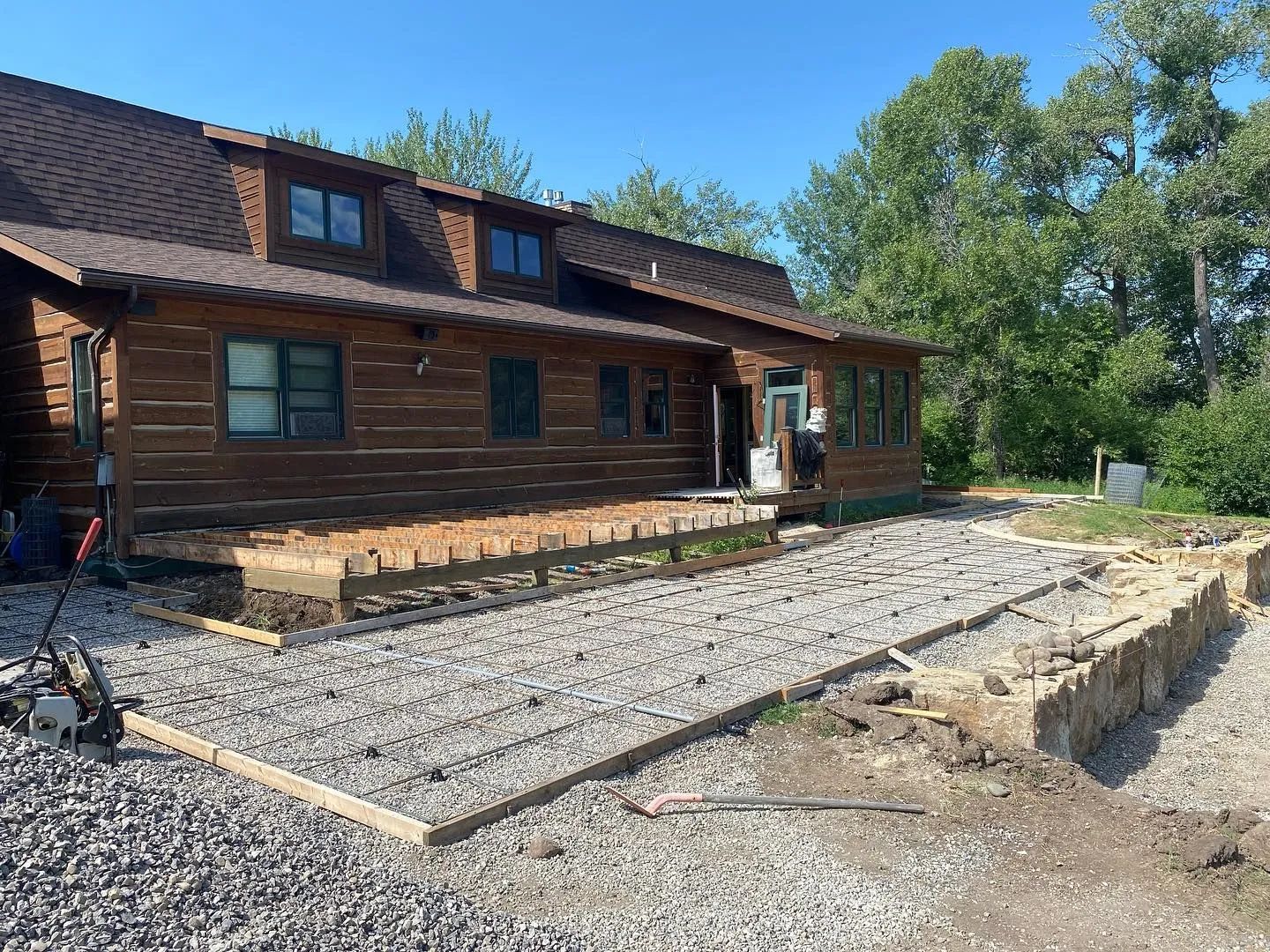
A log cabin with a gravel patio under construction; wood framing and building materials are present.
December 24, 2025
When it comes to construction projects, whether residential or commercial, the path from concept to completion can often feel complex and overwhelming. Many property owners face challenges such as navigating permits, coordinating multiple trades, managing timelines, and ensuring quality standards are met.
Septic system components installed in an excavated pit, including tanks, risers, and pipes; outdoors.
February 5, 2026
For homeowners in rural and semi-rural areas, managing wastewater efficiently is a crucial part of property ownership. Unlike urban homes connected to municipal sewer systems, many residences rely on private septic systems to treat and dispose of household wastewater safely.
Excavation site with trenches dug in dirt, mini excavator, and red barn in the background.
January 6, 2026
Excavation is often one of the first steps in any construction project, yet its significance is frequently underestimated. While it may appear to be a straightforward process of digging and removing soil, proper excavation involves meticulous planning, precise execution,
A log cabin with a gravel patio under construction; wood framing and building materials are present.
December 24, 2025
When it comes to construction projects, whether residential or commercial, the path from concept to completion can often feel complex and overwhelming. Many property owners face challenges such as navigating permits, coordinating multiple trades, managing timelines, and ensuring quality standards are met.