

From Start to Finish: What to Expect with Our General Contracting Services

December 24, 2025

When it comes to construction projects, whether residential or commercial, the path from concept to completion can often feel complex and overwhelming. Many property owners face challenges such as navigating permits, coordinating multiple trades, managing timelines, and ensuring quality standards are met. A general contractor serves as the cornerstone of any successful project, providing the expertise, oversight, and coordination required to turn blueprints into reality. Understanding what to expect from a professional general contracting service not only eases the construction process but also ensures the project remains on schedule, within budget, and aligned with your vision.


A reliable general contractor brings more than just technical skills—they offer strategic planning, proactive problem-solving, and a network of skilled subcontractors to manage every aspect of the build. From initial consultations and project design to execution and final inspection, a professional contractor guides clients through each stage, addressing challenges before they escalate and ensuring that high-quality results are consistently delivered. This comprehensive approach not only saves time and resources but also provides peace of mind, knowing that your project is in capable hands from start to finish.

Planning and Pre-Construction

  • Initial Consultation and Goal Setting

    The foundation of any successful construction project begins with clear planning. During the initial consultation, the general contractor works closely with clients to understand their goals, preferences, and budget. This step is critical, as it ensures that the final outcome aligns with the client’s vision while maintaining feasibility. Key discussions often include project scope, timelines, design aesthetics, and potential challenges that may arise during construction.

  • Site Evaluation and Feasibility Analysis

    Before breaking ground, a thorough site evaluation is essential. Contractors assess the location for soil stability, drainage, zoning restrictions, and environmental considerations. This evaluation helps identify potential obstacles early, allowing for strategic planning that mitigates risks. Feasibility analysis ensures that the project can be completed efficiently, avoiding costly delays or redesigns during later stages.

  • Budget Planning and Cost Estimation

    Accurate cost estimation is another crucial component of pre-construction. A skilled contractor provides detailed budgets that account for materials, labor, permits, and contingencies. Transparent budgeting allows clients to make informed decisions and reduces the likelihood of unexpected expenses. Real-world scenarios often show that projects with thorough pre-construction planning experience fewer delays, smoother workflows, and higher overall satisfaction.

  • Securing Permits and Approvals

    Navigating local regulations and obtaining necessary permits can be a time-consuming process. Experienced contractors handle these tasks on behalf of clients, ensuring compliance with building codes and municipal requirements. Proper permitting not only avoids legal complications but also guarantees that the project is constructed to safety standards.


    By investing time and expertise in pre-construction, contractors set the stage for a streamlined build, ensuring that every subsequent step proceeds without unnecessary interruptions.

Design Coordination and Project Planning

Collaborative Design Process

Once planning is complete, the focus shifts to design coordination. General contractors work alongside architects, engineers, and designers to refine project blueprints. This collaboration ensures that structural requirements, functionality, and aesthetic goals are harmonized. Clients often benefit from professional guidance regarding material selection, space optimization, and design practicality.

Scheduling and Timeline Development

A comprehensive project schedule is developed, detailing each phase of construction from site preparation to final inspection. Skilled contractors allocate resources efficiently, coordinate subcontractors, and establish milestone deadlines. This approach reduces downtime, keeps the team accountable, and provides clients with a clear roadmap of project progress.

Risk Management and Contingency Planning

Effective project planning involves anticipating potential risks, such as weather delays, material shortages, or unforeseen site conditions. Contractors develop contingency plans to address these scenarios without compromising quality or timeline. For example, having alternative suppliers or flexible scheduling can prevent costly interruptions.

Communication Protocols

Transparent communication between the contractor, clients, and subcontractors is crucial. Regular updates, progress reports, and on-site meetings ensure that everyone stays informed. This proactive approach fosters trust and allows for timely adjustments to the plan if needed.


By emphasizing design coordination and meticulous project planning, contractors bridge the gap between conceptual ideas and practical execution, providing clients with confidence that their project will proceed efficiently.

Construction Phase: Execution and Oversight

Mobilization and Site Preparation

The construction phase begins with mobilization, where the site is prepared for work. This includes clearing, grading, and establishing temporary facilities. Proper site preparation lays the groundwork for safe, efficient construction and prevents delays caused by environmental or logistical challenges.

Quality Control and On-Site Supervision

General contractors oversee every aspect of construction, ensuring that work meets industry standards and project specifications. Supervisors monitor craftsmanship, verify materials, and conduct regular inspections. For example, during structural framing, contractors check alignment, fastening methods, and adherence to blueprints, preventing errors that could affect the building’s integrity.

Coordination of Subcontractors

A single construction project often involves multiple subcontractors, including electricians, plumbers, HVAC technicians, and carpenters. Effective coordination ensures that these teams work in harmony, minimizing downtime and scheduling conflicts. Experienced contractors sequence tasks logically, such as completing structural work before interior finishes, which streamlines operations and improves efficiency.

Addressing Challenges and Problem-Solving

Construction projects inevitably encounter unforeseen issues, ranging from weather-related delays to material shortages. Contractors handle these challenges through quick, informed decision-making. Real-world examples highlight scenarios where contractors adjusted schedules, sourced alternative materials, or implemented temporary solutions to keep the project on track.

Safety Management

Maintaining a safe construction site is non-negotiable. Contractors enforce safety protocols, conduct regular inspections, and ensure that all personnel are trained in hazard prevention. A strong safety culture not only protects workers but also minimizes liability and project disruptions.


Through diligent oversight, expert coordination, and proactive problem-solving, the construction phase transforms designs into tangible structures while maintaining quality, safety, and schedule adherence.

Post-Construction and Project Completion

  • Final Inspections and Quality Assurance

    After construction is completed, contractors conduct comprehensive inspections to ensure that every element aligns with specifications and quality standards. This may include structural checks, system testing, and finishing assessments. Quality assurance guarantees that clients receive a durable, functional, and visually appealing end product.

  • Punch List and Client Walkthrough

    A punch list is created to document minor adjustments or unfinished tasks. Contractors address these items promptly during a client walkthrough, ensuring satisfaction and confirming that all aspects of the project meet expectations. This process fosters transparency and accountability.

  • Handover and Documentation

    Upon final approval, the project is formally handed over to the client. Contractors provide essential documentation, including warranties, manuals, and maintenance instructions. This step equips clients with the information needed to manage their property effectively and preserve long-term value.

  • Post-Project Support

    Reputable contractors offer post-project support for any questions or minor adjustments that may arise after occupancy. This ongoing relationship demonstrates a commitment to client satisfaction and reinforces trust in professional services.


    The post-construction phase is critical for ensuring that projects are completed to the highest standards and that clients are fully equipped to enjoy and maintain their new property.

Maintenance Guidance and Long-Term Considerations

Preventative Maintenance Recommendations

Contractors often provide guidance on preventative maintenance to extend the lifespan of the structure and systems. Recommendations may include regular inspections, seasonal checks, and minor repairs to prevent major issues.

Planning for Future Updates

A well-executed project considers future adaptability. Contractors advise clients on scalable designs and system upgrades that can accommodate evolving needs. This forward-thinking approach ensures long-term satisfaction, reduces future costs, and enhances the overall value of the property.


By offering ongoing guidance and strategic advice, contractors ensure that the investment continues to perform optimally for years to come.

Embracing Sustainability and Innovative Practices

Eco-Friendly Construction Solutions

Modern general contracting services increasingly prioritize sustainable building practices. Contractors incorporate energy-efficient materials, low-impact construction methods, and eco-friendly designs to minimize environmental impact. For instance, using high-performance insulation, LED lighting, or recycled materials reduces operational costs while promoting environmental responsibility.

Innovative Technologies in Construction

Advanced tools such as 3D modeling, project management software, and drone site surveys streamline planning and execution. Contractors leveraging these technologies improve accuracy, reduce errors, and maintain transparency with clients throughout the project lifecycle.

Benefits to Clients

Sustainable and innovative practices offer multiple advantages, including reduced energy bills, improved property longevity, and higher resale value. Clients also gain peace of mind knowing their projects align with modern construction standards and environmental best practices.

Challenges and Expert Solutions

Implementing sustainable solutions may present challenges such as higher upfront costs or sourcing specialized materials. Experienced contractors address these by offering cost-benefit analyses, alternative material options, and phased implementation strategies, ensuring clients achieve long-term value without compromising quality.

Professional Management Ensuring Excellence From Start To Finish

A general contracting service encompasses a comprehensive approach, from initial planning and design coordination to construction oversight and post-project support. By providing structured timelines, clear communication, risk management, and quality control, professional contractors transform complex construction projects into efficient, successful outcomes. Clients benefit from reduced stress, predictable budgets, and expert guidance throughout every stage of the build.


Altitude Contracting, based in Bozeman, Montana, brings 25 years of experience to every project, delivering reliable and professional general contracting services. Our team is committed to guiding clients through every step, ensuring projects are completed on time, within budget, and to the highest standards. From meticulous planning and design to expert execution and post-construction support, Altitude Contracting combines technical expertise with a client-focused approach. Choosing our services means partnering with a trusted industry leader dedicated to quality, safety, and long-term satisfaction, making your construction project a seamless and rewarding experience from start to finish.

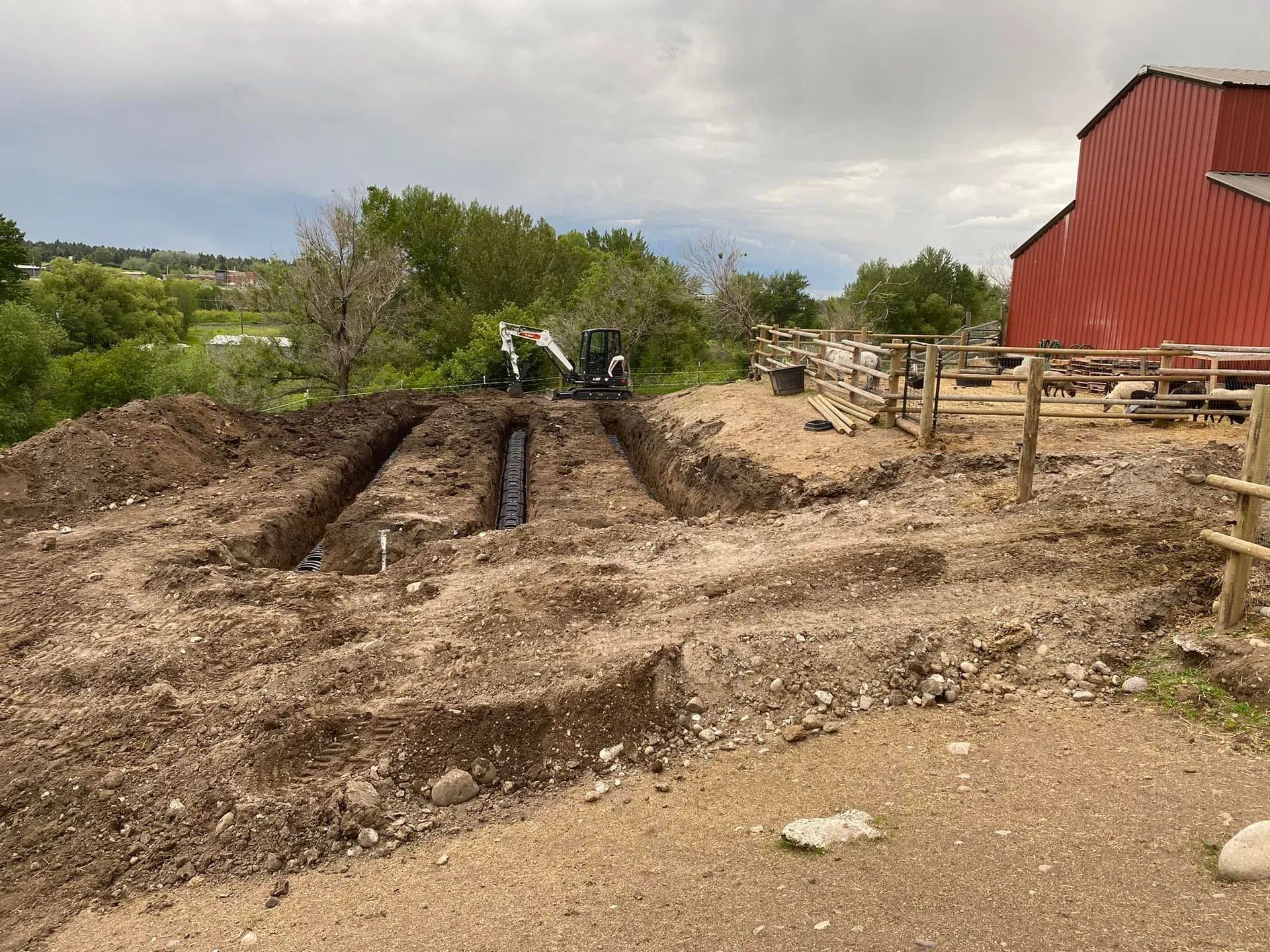
Excavation site with trenches dug in dirt, mini excavator, and red barn in the background.
January 6, 2026
Excavation is often one of the first steps in any construction project, yet its significance is frequently underestimated. While it may appear to be a straightforward process of digging and removing soil, proper excavation involves meticulous planning, precise execution,
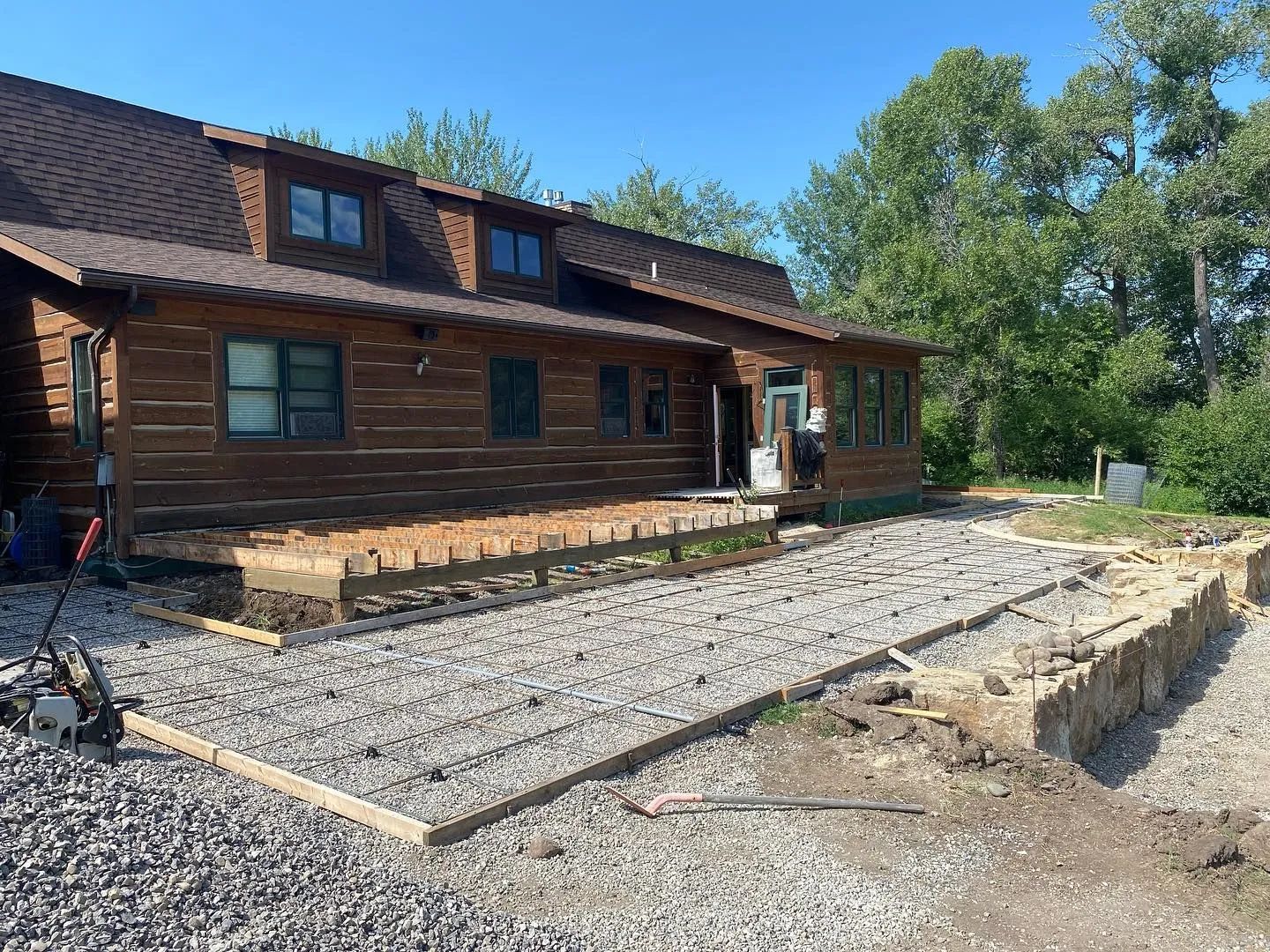
Newly poured concrete patio next to a building with brown trim. Green grass and hills in the background.
November 12, 2025
When planning a construction or renovation project, one of the most critical decisions you’ll make involves choosing the right concrete services. Concrete is more than just a basic building material—it forms the foundation, strength, and durability of your project.
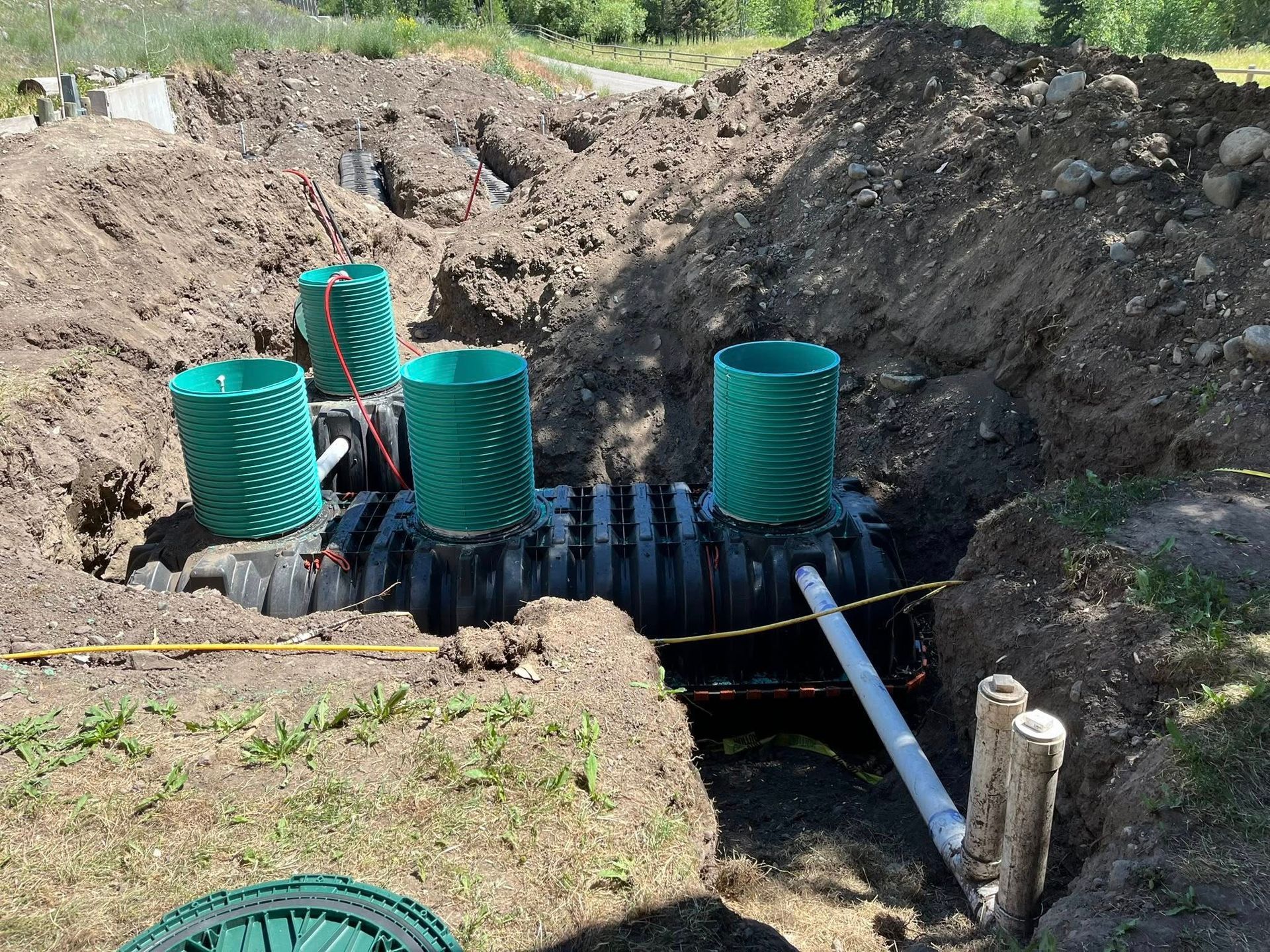
Black plastic septic tank being installed in a freshly dug earthen hole.
October 29, 2025
Selecting the right septic system is a critical decision for any homeowner or property developer. A properly designed and installed system ensures efficient wastewater management, protects the environment, and prevents costly future repairs.
Excavation site with trenches dug in dirt, mini excavator, and red barn in the background.
January 6, 2026
Excavation is often one of the first steps in any construction project, yet its significance is frequently underestimated. While it may appear to be a straightforward process of digging and removing soil, proper excavation involves meticulous planning, precise execution,
Newly poured concrete patio next to a building with brown trim. Green grass and hills in the background.
November 12, 2025
When planning a construction or renovation project, one of the most critical decisions you’ll make involves choosing the right concrete services. Concrete is more than just a basic building material—it forms the foundation, strength, and durability of your project.
Black plastic septic tank being installed in a freshly dug earthen hole.
October 29, 2025
Selecting the right septic system is a critical decision for any homeowner or property developer. A properly designed and installed system ensures efficient wastewater management, protects the environment, and prevents costly future repairs.