

Why Proper Excavation Is Key to a Successful Construction Project
January 6, 2026

Excavation is often one of the first steps in any construction project, yet its significance is frequently underestimated. While it may appear to be a straightforward process of digging and removing soil, proper excavation involves meticulous planning, precise execution, and strict adherence to safety and environmental standards. The quality of excavation work can directly influence the structural integrity, efficiency, and overall success of a construction project, making it a cornerstone of sound construction management. From residential buildings to large-scale commercial developments, ensuring the right excavation practices are in place is critical to laying a solid foundation for the entire project.
Beyond its structural importance, proper excavation also impacts project timelines and budgets. Errors in soil analysis, grading, or trenching can lead to delays, unexpected costs, or even long-term structural issues. Moreover, modern construction sites face regulatory compliance requirements, environmental considerations, and safety challenges that make professional excavation a specialized task. Understanding the technical aspects, potential challenges, and best practices of excavation can empower project managers, contractors, and property owners to make informed decisions that safeguard both investment and safety. This blog explores the multifaceted role of proper excavation and why it is essential for achieving a successful, efficient, and durable construction outcome.
1. Understanding the Role of Excavation in Construction
Defining Excavation
Excavation is the process of removing earth, rock, or other materials from a site to prepare it for construction. It forms the groundwork for building foundations, utilities, and landscaping. Proper excavation involves more than just digging; it requires careful planning of depth, slope, and soil removal techniques to ensure stability and support for future structures.
The Foundation Connection
One of the primary purposes of excavation is to provide a stable base for the foundation. Uneven or improperly compacted soil can compromise the foundation’s integrity, leading to structural issues such as cracking, settlement, or water infiltration. Properly executed excavation ensures that the foundation sits on firm, well-prepared soil capable of supporting the building’s load.
Site Preparation Beyond Foundations
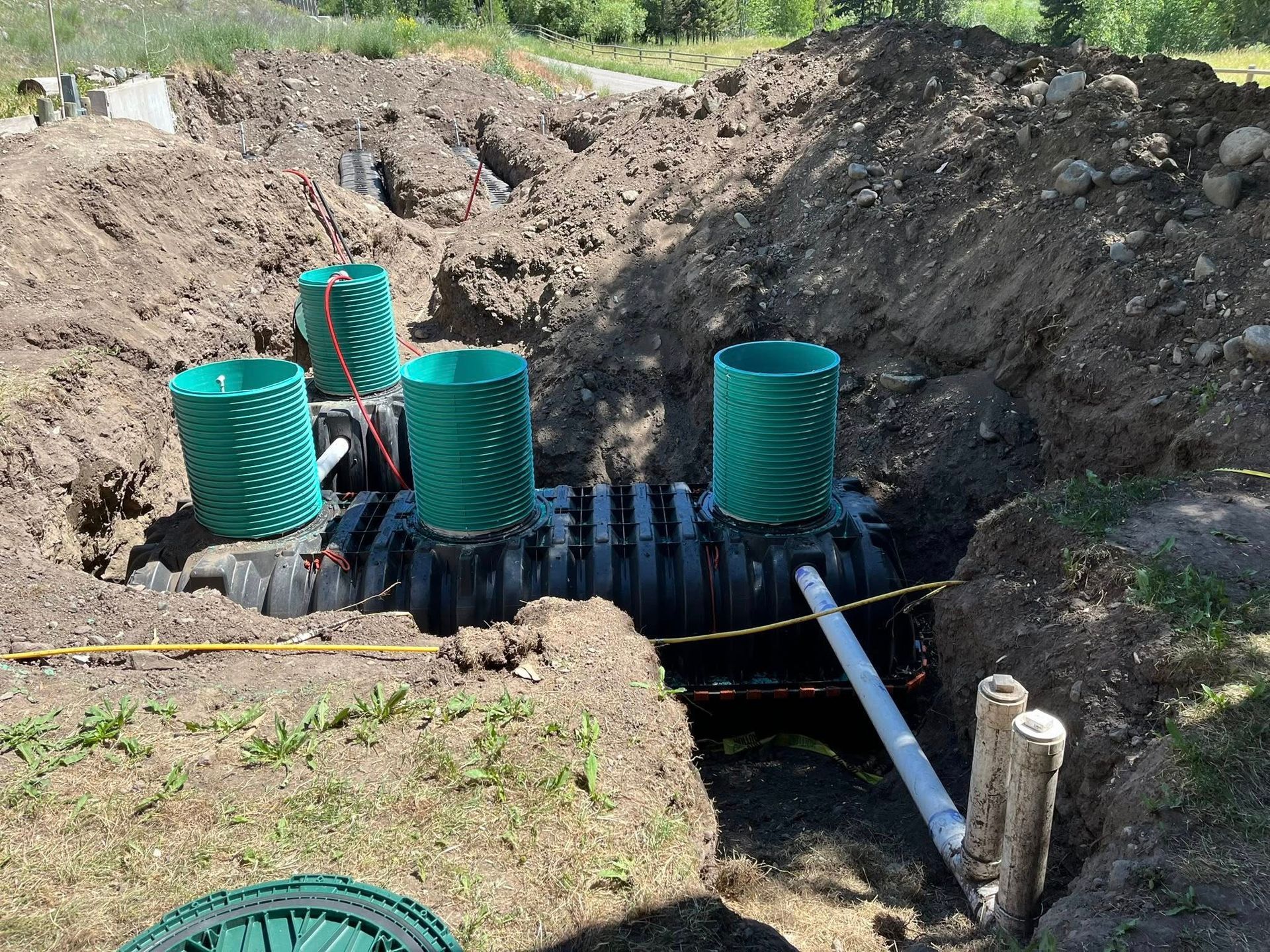
Excavation also plays a role in site grading, drainage, and utility installation. By shaping the land to direct water away from structures, excavation helps prevent erosion, flooding, and water damage. Similarly, creating trenches for pipes, cables, and stormwater systems ensures the site is ready for safe and efficient utility installation.
Real-World Scenario
Consider a commercial project where excavation was rushed to save time. Inadequate soil testing and uneven grading led to foundation settlement within the first year, requiring expensive repairs and project delays. This example highlights how thorough excavation planning is not optional but essential.
2. Planning and Preparing for Excavation
Conducting Soil Analysis
Before any digging begins, soil testing is crucial. Understanding soil composition, bearing capacity, and moisture content allows engineers to design appropriate foundation solutions and excavation methods. Clay, sand, and silt each behave differently under load, so accurate analysis prevents future structural problems.
Evaluating Site Conditions
Site evaluation includes assessing topography, nearby structures, water tables, and environmental conditions. Recognizing slopes, underground utilities, and potential hazards ensures excavation can proceed safely without causing damage or legal complications.
Developing an Excavation Plan
A detailed excavation plan outlines depth, slope angles, equipment needs, and safety measures. It also addresses soil disposal and environmental impact mitigation. Proper planning minimizes risks, reduces waste, and ensures that the project adheres to building codes and local regulations.
Equipment Selection and Deployment
Choosing the right equipment, from backhoes to bulldozers, depends on soil type, project scale, and precision required. Efficient equipment usage not only speeds up excavation but also reduces the risk of site damage and safety incidents.
Best Practices
- Engage licensed professionals for soil analysis and planning.
- Conduct utility and hazard surveys before digging.
- Implement erosion control measures to protect the surrounding environment.
3. Key Excavation Techniques and Methods
Cut and Fill Excavation
Cut and fill involves removing soil from higher areas and using it to fill lower areas, leveling the site efficiently. This method is common in road construction and large commercial projects, providing both grading and compaction benefits.
Trenching and Shoring
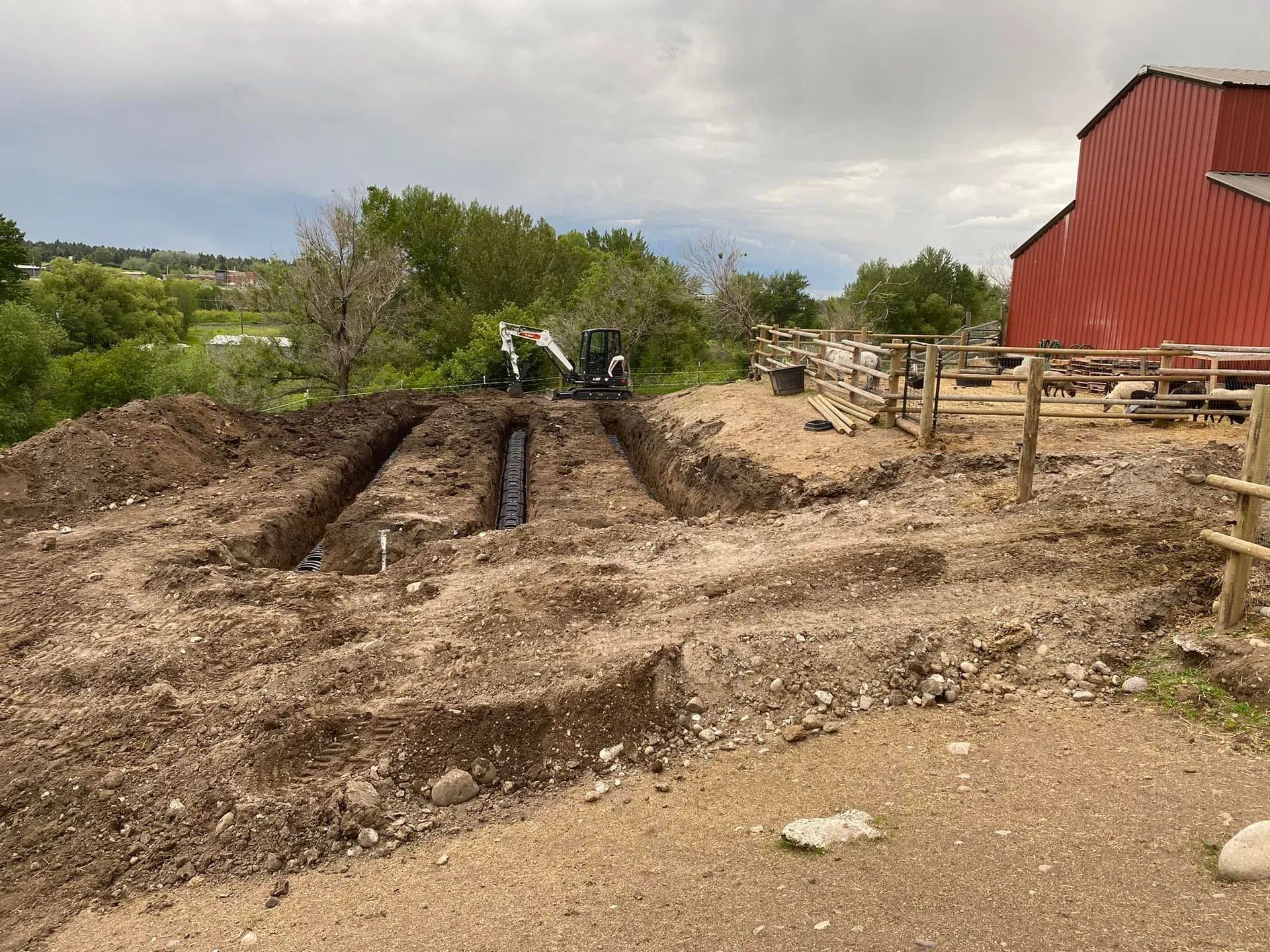
Trenching is essential for installing pipelines, electrical conduits, and drainage systems. Proper shoring and bracing prevent trench collapses, protecting workers and avoiding delays. OSHA regulations require careful adherence to trench safety protocols.
Grading and Compaction
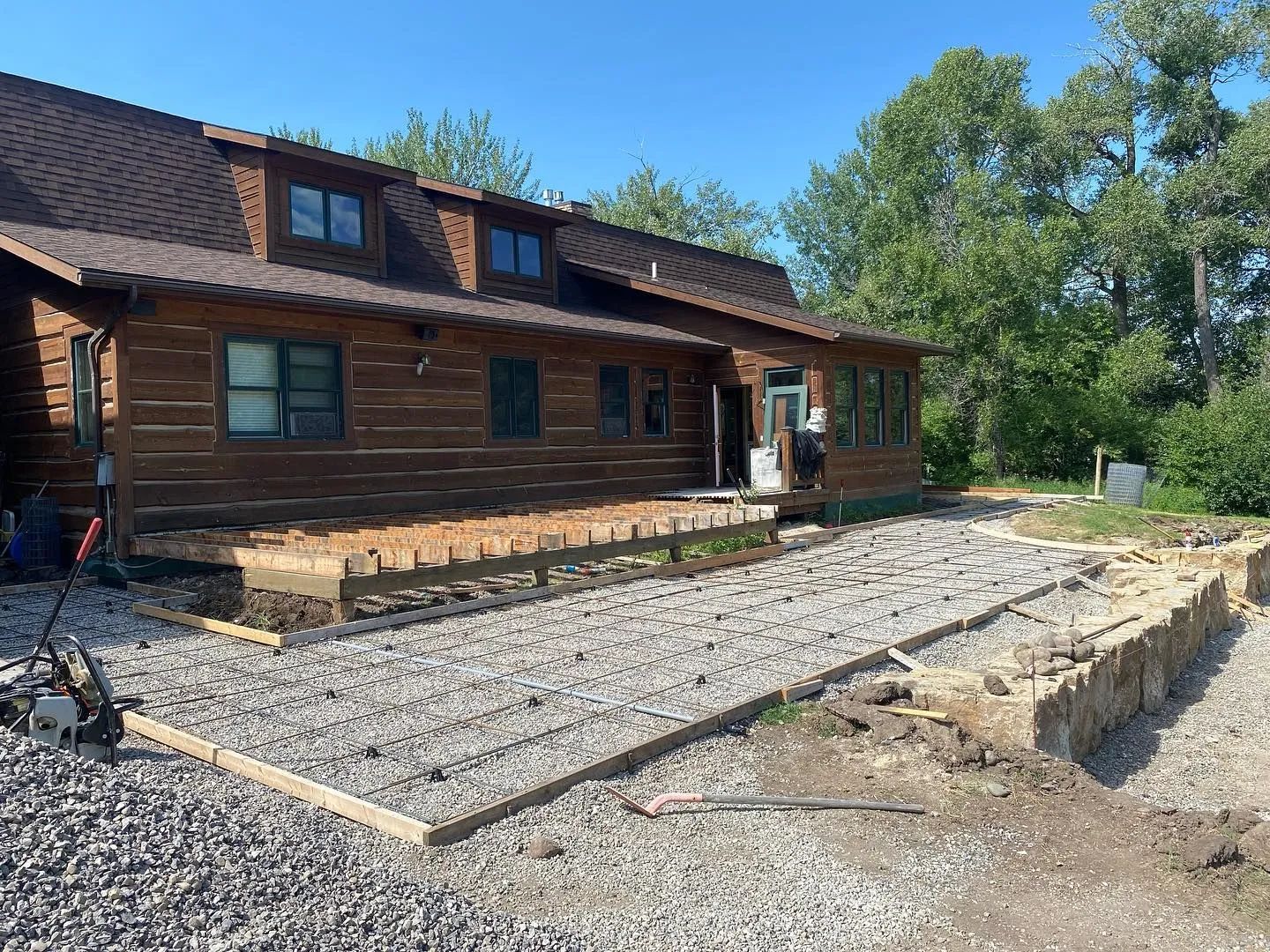
Grading adjusts the slope of the land to ensure proper drainage and site stability. Compaction strengthens the soil, reducing settlement risks and providing a firm base for foundations. Mechanical compaction tools, like vibratory rollers, are often employed for this purpose.
Specialized Excavation Techniques
- Rock Excavation: Using hydraulic breakers or blasting for rocky terrains.
- Dewatering: Removing excess water from high water table sites using pumps.
- Controlled Excavation: Precision digging for sensitive areas near existing structures.
Example in Practice
On a hillside residential project, controlled cut-and-fill excavation stabilized the slope while creating a level foundation area. Without careful planning and compaction, heavy rains could have caused landslides or foundation shifts.
4. Common Excavation Challenges and How to Address Them
Soil Instability and Settlement
Unstable soil can collapse or compress over time, compromising structural integrity. Geotechnical surveys and soil stabilization techniques, such as adding gravel or geotextiles, mitigate these risks.
Water Management Issues
High water tables or heavy rainfall can flood excavation sites, causing delays and damage. Implementing drainage solutions, retaining walls, or dewatering systems ensures excavation remains safe and effective.
Safety Hazards
Excavation sites are prone to accidents, including trench collapses, falling debris, and equipment mishaps. Proper shoring, fencing, and worker training significantly reduce risks.
Environmental and Regulatory Constraints
Excavation may encounter environmental restrictions, such as wetland protection or historical site preservation. Compliance with regulations prevents legal penalties and maintains community trust.
Case Study
A commercial developer faced unexpected groundwater during excavation. Implementing a temporary dewatering system and adjusting trench depth allowed work to continue safely, avoiding costly project delays.
5. Best Practices for Successful Excavation
Hire Experienced Professionals
Engaging licensed and experienced excavation contractors ensures adherence to safety, engineering, and environmental standards. Professionals can anticipate challenges and provide solutions based on prior project experience.
Incorporate Advanced Technology
Modern construction benefits from technologies like 3D site mapping, GPS-guided machinery, and soil sensors. These tools improve precision, efficiency, and project tracking.
Maintain Open Communication
Coordination between project managers, engineers, and excavation teams is crucial. Regular updates help address unexpected issues quickly and prevent miscommunication-related errors.
Implement Environmental Protections
Sediment control, dust suppression, and proper waste disposal protect the surrounding environment and comply with regulations, demonstrating responsible construction practices.
Schedule Inspections and Quality Checks
Periodic inspection of excavation work ensures compliance with design specifications. Early detection of errors prevents costly rework and enhances overall site safety.
6. The Long-Term Benefits of Proper Excavation
Structural Durability
Proper excavation lays the foundation for long-lasting structures. Well-prepared soil and accurate grading reduce settlement, cracking, and other structural issues, ultimately protecting the investment.
Cost Efficiency
Investing time and resources in thorough excavation minimizes future repair costs. Avoiding rework, foundation fixes, or water damage significantly reduces long-term project expenses.
Project Timeline Adherence
Careful excavation planning and execution help maintain project schedules. By anticipating challenges and addressing them proactively, construction proceeds smoothly without major delays.
Enhanced Safety
A well-executed excavation minimizes hazards for workers and site visitors. Stable trenches, proper shoring, and controlled soil handling prevent accidents and promote a safe working environment.
Reputation and Professionalism
Developers and contractors who prioritize proper excavation demonstrate professionalism and commitment to quality. This approach strengthens client trust, supports future business, and promotes industry credibility.
7. Excavation for Utility and Infrastructure Installation
Planning Utility Trenches
Excavation for utilities such as water, gas, and electrical lines requires careful mapping and coordination to avoid damage to existing infrastructure.
Avoiding Interference with Existing Systems
Locating underground utilities before digging prevents costly accidents and service interruptions. Techniques like ground-penetrating radar (GPR) or utility surveys ensure precision.
Best Practices
- Mark all utility locations clearly.
- Follow local codes and safety regulations.
- Coordinate with engineers and municipal authorities.
8. Environmental Considerations in Excavation
Soil Erosion and Sediment Control
Proper excavation includes measures to prevent soil erosion, sediment runoff, and water contamination.
Minimizing Environmental Impact
Strategies such as retaining walls, silt fences, and dust control protect surrounding ecosystems and comply with environmental regulations.
Sustainable Excavation Practices
- Reuse excavated soil when possible.
- Implement stormwater management systems.
- Monitor site conditions to prevent environmental degradation.
Expert Excavation Practices Support Safe Construction Outcomes
Proper excavation is far more than a preliminary step in construction; it is a decisive factor that shapes the success of a project from the ground up. By understanding soil behavior, implementing effective grading and drainage, and prioritizing safety and regulatory compliance, construction teams ensure that structures are built on a stable, durable foundation. Neglecting excavation planning and execution can lead to delays, unexpected costs, and long-term structural issues, highlighting why this stage requires expert attention and strategic foresight.
At Altitude Contracting, based in Bozeman, Montana, we bring 25
years of hands-on experience to every
excavation and construction project. Our team of experts applies meticulous planning, modern technology, and industry best practices to ensure that every foundation we prepare supports structures built to last. With a strong commitment to safety, precision, and client satisfaction, Altitude Contracting
stands as a trusted partner in bringing construction projects to successful completion. Our proven expertise guarantees that your project begins with a solid, reliable foundation.