


Septic System Installation 101: A Homeowner's Guide

February 5, 2026

For homeowners in rural and semi-rural areas, managing wastewater efficiently is a crucial part of property ownership. Unlike urban homes connected to municipal sewer systems, many residences rely on private septic systems to treat and dispose of household wastewater safely. Understanding the basics of septic system installation is essential not only for maintaining property value but also for safeguarding environmental and public health. From preventing contamination of groundwater to avoiding costly repairs, a well-designed and properly installed septic system ensures that a home’s sanitation infrastructure functions smoothly for years to come.


However, for many homeowners, septic systems remain a source of confusion. Questions often arise: What type of system is best for my property? How is a system installed? What maintenance practices will extend its lifespan? Addressing these concerns requires a clear understanding of the installation process, site considerations, and long-term management strategies. This guide serves as a comprehensive resource for homeowners navigating the complexities of septic system installation. By breaking down the key steps, explaining technical terms in plain language, and offering practical guidance, this guide equips property owners to make informed decisions, avoid common mistakes, and ensure the longevity and efficiency of their septic system.

Understanding Septic Systems

  • What is a Septic System?

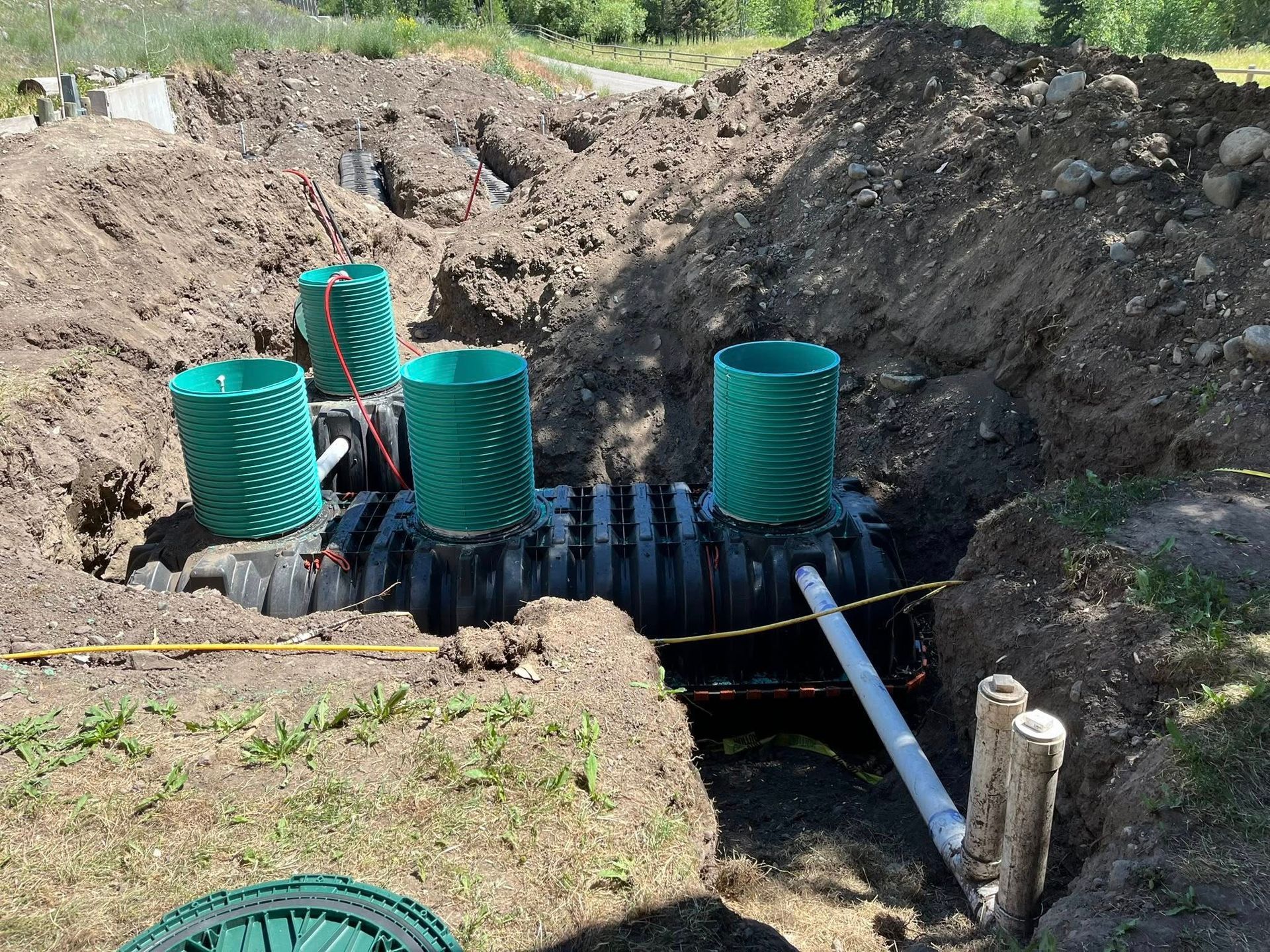
    A septic system is an on-site wastewater treatment solution typically composed of a septic tank and a drainfield. The septic tank collects household wastewater, allowing solids to settle while oils and greases float to the top. Bacteria within the tank break down organic matter, while the clarified liquid, known as effluent, flows into the drainfield for further filtration and absorption into the soil.

  • Types of Septic Systems

    1. Conventional Gravity Systems – Relies on gravity to distribute effluent through a network of perforated pipes in the drainfield. Ideal for properties with adequate space and suitable soil conditions.
    2. Pressure Distribution Systems – Uses a pump to distribute effluent evenly across the drainfield, particularly effective in areas with uneven terrain or dense soils.
    3. Aerobic Treatment Units – Introduces air into the tank to support aerobic bacteria, offering higher treatment levels for properties near sensitive environments.
    4. Mound Systems – Raised drainfields are used when natural soil conditions cannot adequately treat effluent.

    Understanding the type of system appropriate for your property is a critical first step in planning an installation. Selecting the right system ensures regulatory compliance, protects the environment, and enhances the longevity of the installation.

Planning and Site Evaluation

Soil Testing and Percolation Tests

Before installing a septic system, a professional soil evaluation is essential. Soil type, permeability, and depth to groundwater determine how well the system will function. Percolation (perc) tests measure the soil’s absorption rate and help determine the appropriate drainfield size. Clay-heavy or compacted soils often require specialized systems, such as mound installations, to prevent failure.

Local Regulations and Permits

Septic system installation is highly regulated. Homeowners must adhere to local health department requirements, zoning restrictions, and environmental regulations. These rules often specify minimum setbacks from water sources, property boundaries, and wells. Obtaining proper permits ensures compliance and prevents future legal or operational issues.

Property Layout Considerations

Placement of the septic tank and drainfield must account for property features, including driveways, landscaping, and existing structures. A poorly placed system can interfere with outdoor spaces, reduce drainage efficiency, or pose contamination risks. Expert planning at this stage avoids costly modifications later.

Real-World Scenario

A homeowner in a hilly area initially considered a conventional gravity system but, after a soil evaluation revealed slow drainage, opted for a pressure distribution system. This decision prevented potential flooding and system failure, highlighting the importance of professional site assessments.

The Installation Process

Excavation and Tank Placement

Installation begins with excavation. Heavy equipment is used to dig a pit for the septic tank, ensuring the tank is level and properly aligned with the home’s plumbing system. Proper placement is critical to ensure efficient flow of wastewater into the tank and to avoid future settling issues.

Connecting Home Plumbing to the Tank

Wastewater is directed from household drains to the septic tank through a main sewer line. This connection must be airtight and correctly sloped to prevent backflow and leaks.

Drainfield Installation

The drainfield, or leach field, is installed according to the system type. Trenches or beds are lined with gravel, and perforated pipes are carefully positioned to distribute effluent evenly. Soil is then backfilled to cover the system while preserving proper slope and grading.

System Testing and Initial Operation

After installation, the system is tested for leaks, flow efficiency, and proper aeration (if applicable). Inspectors may require verification that the system meets local health standards before granting final approval.

Expert Tip

Always ensure that the installation team follows manufacturer guidelines for tank placement and drainfield construction. Deviations from specifications can significantly reduce system efficiency and lifespan.

Maintenance and Longevity

  • Routine Inspections

    Septic systems require regular inspections to identify early warning signs of failure. A qualified professional should inspect the tank and drainfield every 2–3 years, checking for leaks, blockages, or signs of backup.

  • Pumping Schedule

    Septic tanks must be pumped periodically to remove accumulated solids. The frequency depends on household size, tank capacity, and wastewater volume, but most systems require pumping every 3–5 years. Neglecting this step is one of the leading causes of system failure.

  • Preventing Common Issues

    • Avoid Flushing Non-Biodegradables: Items like wipes, diapers, or sanitary products can clog the system.
    • Manage Water Usage: Excessive water can overwhelm the drainfield, leading to surface pooling.
    • Protect the Drainfield: Never park vehicles or build structures over the system. Root intrusion from trees should also be managed carefully.
  • Real-World Example

    A homeowner who ignored small plumbing leaks ended up with a saturated drainfield. Early inspection and timely pumping could have prevented costly excavation and repair.

  • Benefits of Proper Maintenance

    Consistent maintenance reduces repair costs, prolongs system lifespan, and protects surrounding groundwater. Well-maintained systems also ensure home resale value and environmental compliance, emphasizing the long-term importance of proactive care.

Common Challenges and Solutions

Soil and Site Limitations

Not every property is suitable for conventional systems. Rocky terrain, high water tables, or compacted soil can hinder proper effluent absorption. In such cases, mound systems or aerobic units provide viable alternatives.

Cost Considerations

Septic system installation costs vary depending on system type, soil conditions, and site complexity. Conventional systems are generally more affordable, while specialized systems for challenging conditions carry higher expenses. Budgeting should account for installation, permits, and long-term maintenance.

Environmental Impact

Improper installation or neglect can result in contaminated groundwater and nearby water bodies. Modern septic systems incorporate advanced filtration and treatment methods to minimize environmental risks. Homeowners must remain vigilant about what enters their system to prevent harmful runoff.

Seasonal and Usage Challenges

Heavy rainfall or seasonal high water tables can impact system performance. Additionally, households with high occupancy or frequent visitors may require larger or more advanced systems. Understanding the system’s limitations and adjusting usage accordingly is critical.

Pro Tip

Consulting with an experienced contractor during the planning stage helps anticipate potential challenges and integrate preventive measures into the system design.

Best Practices for Homeowners

Hire Licensed Professionals

Engage certified contractors with proven experience in septic installation. Proper licensing ensures compliance with local regulations, safe installation, and system reliability.

Keep Accurate Records

Maintain documentation of installation, inspections, pumping schedules, and any repairs. These records assist with troubleshooting, warranty claims, and property transactions.

Educate Household Members

All residents should understand proper septic system use, including waste disposal habits and water conservation practices. Informed use reduces system strain and prolongs operational life.

Plan for the Long Term

Consider future property expansion, potential occupancy changes, and environmental conditions when designing and maintaining a septic system. Planning ahead minimizes the need for costly upgrades or modifications.

Example

 A family planning an addition to their home consulted with their contractor about a future-proof septic design. By upgrading to a larger tank and drainfield, they avoided expensive retrofits after construction.

Expert Contractors Ensuring Long-Lasting Septic Installations

Septic system installation is a critical aspect of property ownership for homes not connected to municipal sewer systems. Understanding system types, conducting thorough site evaluations, and following a professional installation process ensures both functional efficiency and long-term durability. Maintenance, including regular inspections and pumping, is equally essential to avoid failures, environmental risks, and costly repairs. By adhering to best practices, homeowners can safeguard their investment, protect local water sources, and ensure their home remains a safe and hygienic environment.

Altitude Contracting: Trusted Experts in Septic Solutions

Altitude Contracting, based in Bozeman, Montana, brings 25 years of expertise in delivering high-quality contracting services, including septic system installation and maintenance. Our team is committed to providing reliable, efficient, and compliant solutions tailored to each property’s unique requirements. We combine hands-on experience with in-depth knowledge of local regulations and environmental standards to ensure every installation meets the highest quality standards. Homeowners who partner with Altitude Contracting benefit from comprehensive guidance, from initial site evaluation and system design to ongoing maintenance and support. Our reputation is built on trust, professionalism, and a proven track record of successful projects, making us a dependable choice for anyone seeking septic system expertise in the Bozeman area.

Modern living room with sectional sofa, rug, and staircase leading upstairs.
March 11, 2026
Creating a modern, functional, and aesthetically pleasing home is no longer limited to new construction. Interior remodeling has become an essential avenue for homeowners to transform outdated or inefficient spaces into stylish, comfortable, and highly personalized environments.
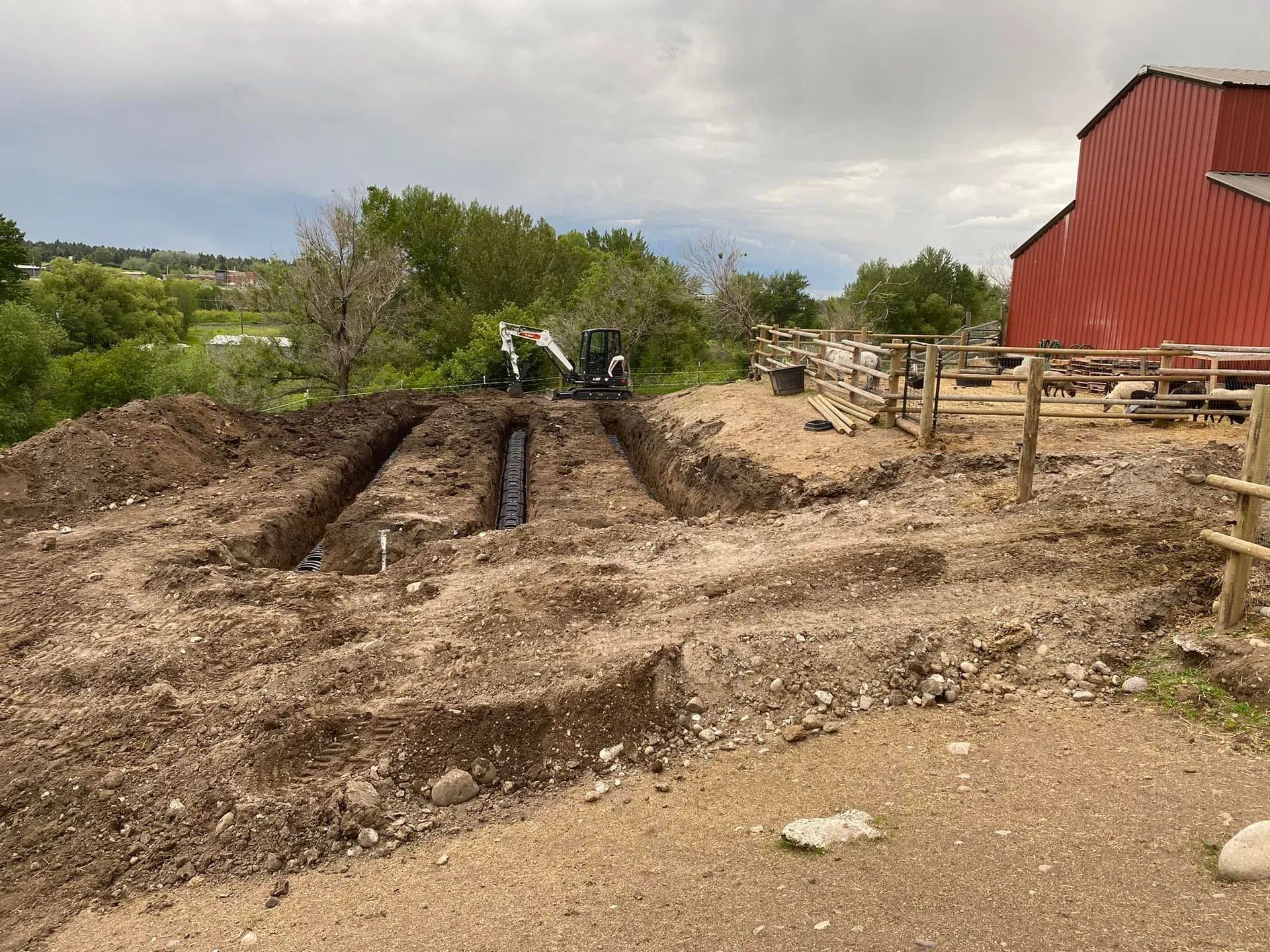
Excavation site with trenches dug in dirt, mini excavator, and red barn in the background.
January 6, 2026
Excavation is often one of the first steps in any construction project, yet its significance is frequently underestimated. While it may appear to be a straightforward process of digging and removing soil, proper excavation involves meticulous planning, precise execution,
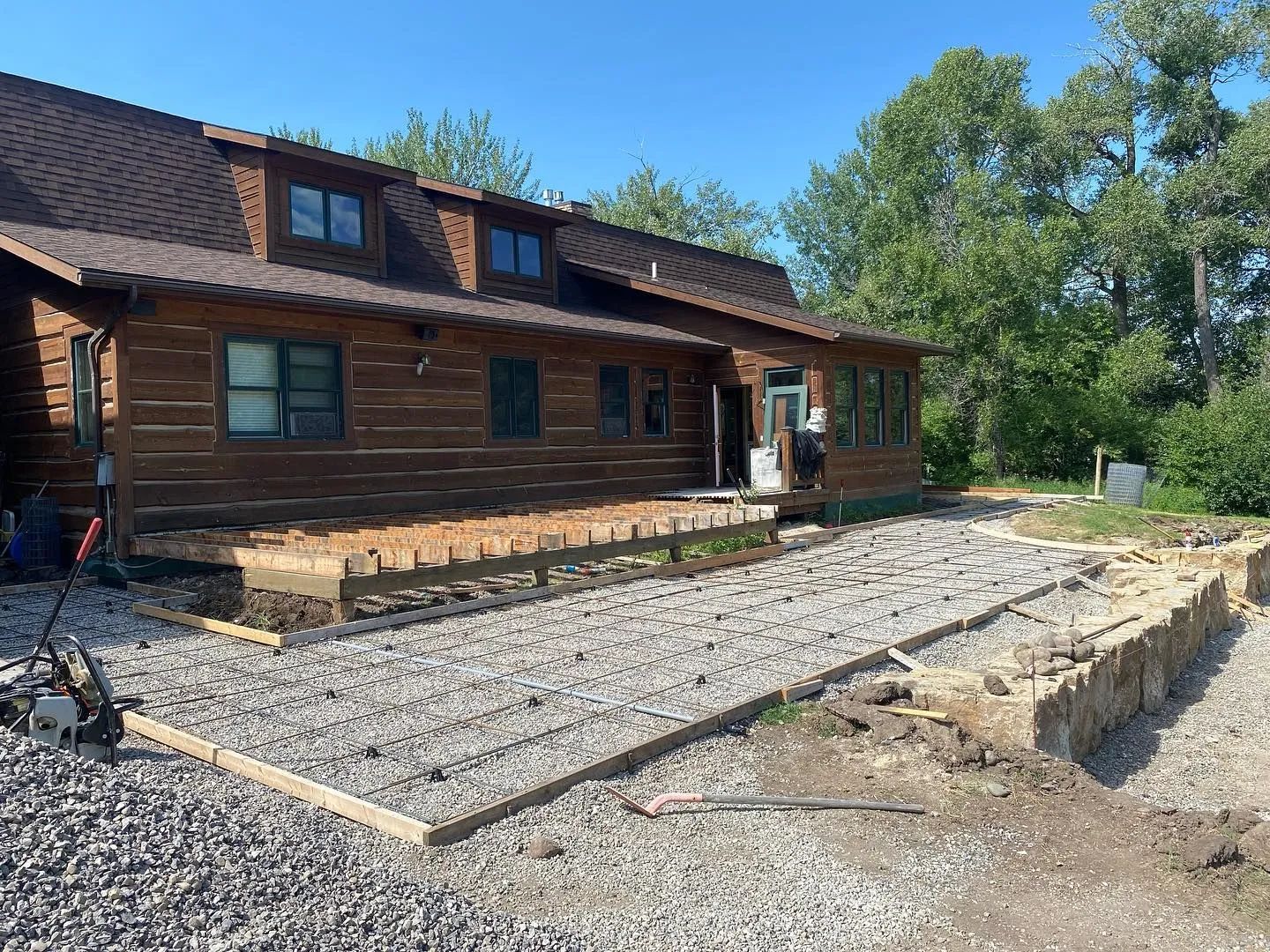
A log cabin with a gravel patio under construction; wood framing and building materials are present.
December 24, 2025
When it comes to construction projects, whether residential or commercial, the path from concept to completion can often feel complex and overwhelming. Many property owners face challenges such as navigating permits, coordinating multiple trades, managing timelines, and ensuring quality standards are met.
Modern living room with sectional sofa, rug, and staircase leading upstairs.
March 11, 2026
Creating a modern, functional, and aesthetically pleasing home is no longer limited to new construction. Interior remodeling has become an essential avenue for homeowners to transform outdated or inefficient spaces into stylish, comfortable, and highly personalized environments.
Excavation site with trenches dug in dirt, mini excavator, and red barn in the background.
January 6, 2026
Excavation is often one of the first steps in any construction project, yet its significance is frequently underestimated. While it may appear to be a straightforward process of digging and removing soil, proper excavation involves meticulous planning, precise execution,
A log cabin with a gravel patio under construction; wood framing and building materials are present.
December 24, 2025
When it comes to construction projects, whether residential or commercial, the path from concept to completion can often feel complex and overwhelming. Many property owners face challenges such as navigating permits, coordinating multiple trades, managing timelines, and ensuring quality standards are met.